Having a hard time getting your kid to concentrate on the school work or have a family dinner? How to improve kids concentration at home? Teaching children to focus in an age of distractions and schedules is one of the most popular as well as annoying tasks that a parent would encounter in the digital era.
Focus does not only concern the amount of tasks accomplished, but it is a core competency necessary to help learners, control emotions, and achieve long-term success. The positive side is that concentration is just like a muscle: it can be trained with the help of appropriate exercises and atmosphere.
In this guide, you will be given a step-by-step plan that is very clear and full of practical tips on enhancing child focus at home, whether it is creating a favorable environment or incorporating effective concentration exercises in kids into your day to day routine.
How to Improve Kids Concentration at Home?
It is good to know what is wrong, before attempting to correct the situation. Children are not tiny adults; their brains are yet to establish neural pathways that would allow them to have sustained attention. The difficulties may be based on the age-related development, external influences, moods, or just a deficit of practising the abilities of focus.
Most people would rush to solutions without determining the underlying causes and this may cost time and may create frustrations to all the people involved.
One way to comprehend this is via thinking of the attention limit of a child as a bank account of mental capacity. Some deposits include things we do (such as physical play, getting enough sleep and eating healthy foods).
Others involve constant withdrawals (such as spending too much time in front of the screen, clutter or even anxiety). The initial aim of yours is to make your child mentally solvent by making sure that you deposit more than you withdraw.
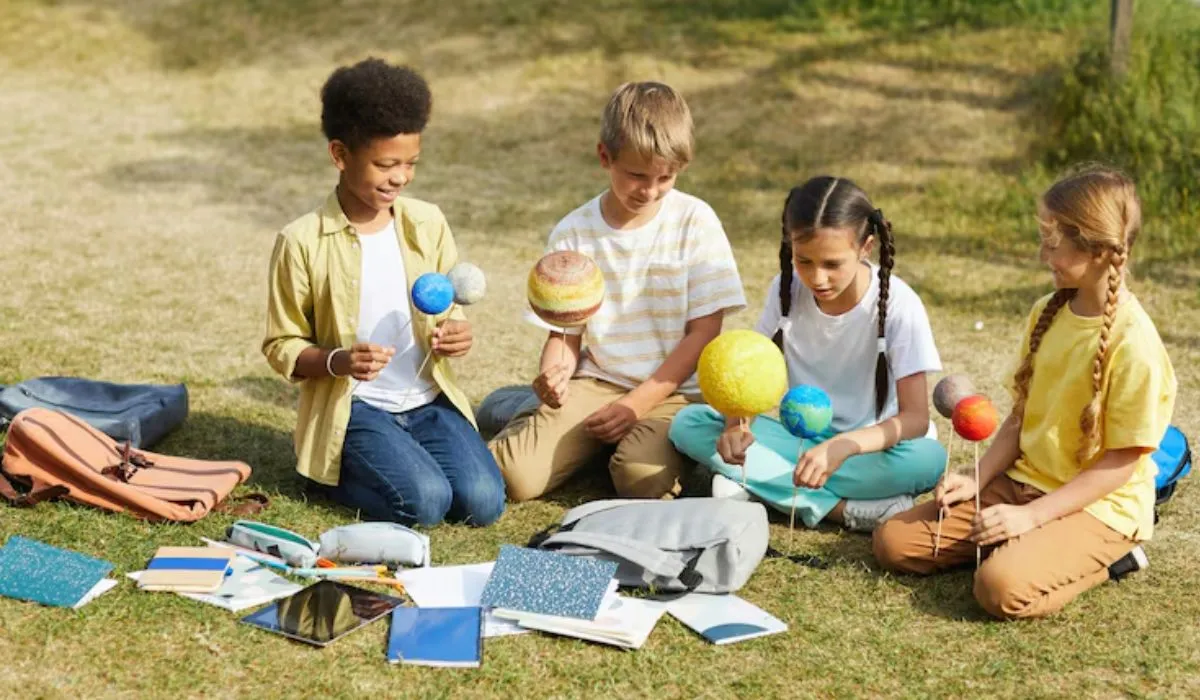
You may also read :- Fun Outdoor Learning Activities For Kids
Tips to Boost Child Focus at Home
1. Create a Distraction-Free Study Space
The physical space of your child will highly influence the mental space. The same way a business has to streamline its processes to make them efficient, you can create your home with minimal distractions and help you focus.
- Select an area to be a Focus Zone: Select the same, quiet space to be used to do homework and other activities that require a lot of concentration. This space ought to be tidy, neat and devoid of toys, televisions and foot traffic. The consistency teaches the brain to go into a state of focus in such space.
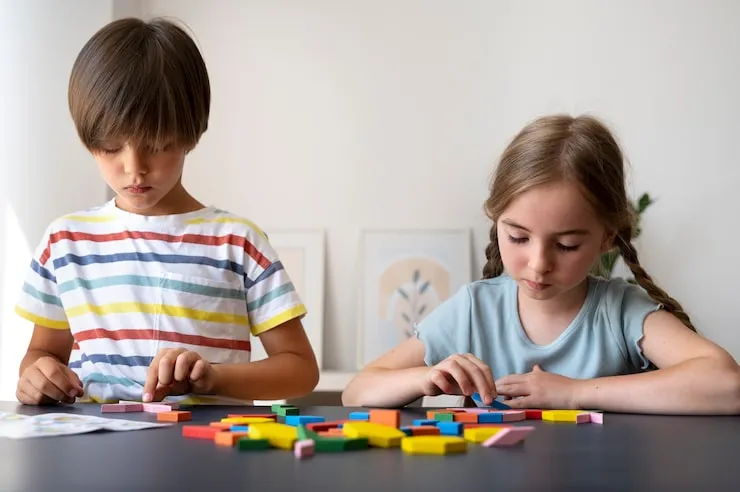
- Master the Art of "Single-Tasking" : Eliminate the extra choices. In case it is a math homework, the desk should only have the math book, workbook, pencils and eraser. Prepare away other subjects materials. This will ease the burden of selecting the course of action.
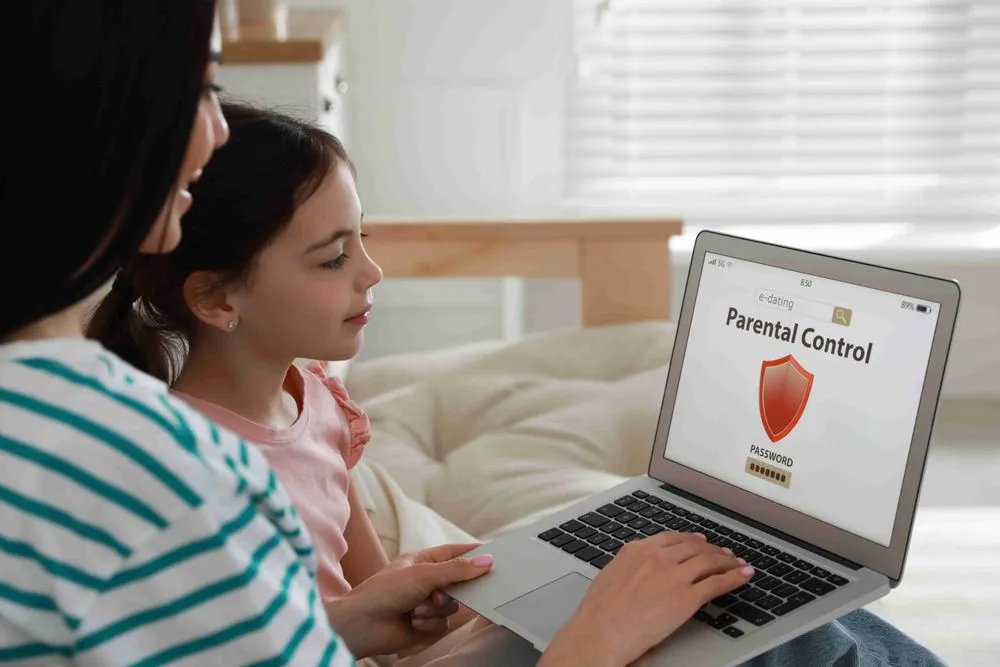
- Contain Digital Thieves: In concentration periods have a no device policy unless it is a must to use it during the work. Use physical timepieces, rather than phone timepieces, and put all personal devices into a different room.
- Image Positioning: This is a suggested position after this section, Environment.
Image Alt Text: A well-lit, clean desk in the child room, with a single book, notebook, pencil cup, which show the absence of distraction of the homework area.
2. Establish a Consistent Daily Routine
Children live by predictability. Regular routine serves as an outer skeleton to their still emerging internal ability to focus, cutting down on the psychological effort expended on the question of what is to happen next.
- Make a Visual Schedule of the Day: In the case of young children, visual aids work; with older children, a checklist might be used. The main anchors must consist of the regularity of awaking up, eating, homework, play, and sleeping. After-school routine is particularly important: the definite structure of actions (e.g., snack, 30-minute playing, homework, free time) will help avoid negotiations and procrastination.
- Use Focus Sprints using Pomodoro Technique: It is among the best study habits among kids at home. Divide work into small manageable segments (e.g., 15-25 minutes of full-fledged work) and take a 5-minute break after them, without exception. This corresponds to the attention capacity of a child and makes a big task not so large.
- Focus on Sleep and Nutrition: No formula of concentration can be performed without these basics. Regular and early bedtime is non-negotiable in the cognitive functionality. In the case of food, concentrate in protein based snacks, complex carbohydrates (such as apple slices and peanut butter or the whole-grain crackers) that release continuous energy, and not sugary foods that cause energy crashes.
3. Break Tasks into Smaller Steps
Concentration is a practice and it is acquired through practice. These are some of the basic exercises that can be introduced during your week in order to develop the stamina of your child to focus directly.
Exercise How to Do It Focus Skill Trained?
Listening Game Ring a bell or chime. Ask your child to put his eyes closed and raise the hand when he or she cannot hear the sound any more. Constant hearing and meditative state.
| Exercise | How to Do It | Focus Skill Trained |
|---|---|---|
| The Listening Game | Ring a bell or chime. Ask your child to close their eyes and raise their hand only when they can no longer hear the sound. | Sustained auditory attention and mindfulness. |
| "I Spy" with a Twist | Play classic "I Spy," but then ask your child to close their eyes and recall other objects in the room based on your description. | Visual attention and working memory. |
| Copycat Rhythm Claps | Clap a short, rhythmic pattern. Have your child listen and then clap it back exactly. Gradually increase the complexity. | Auditory processing and focused listening. |
| Silent Minute | Challenge your child to sit perfectly still and silent for 60 seconds, focusing only on their breathing. Use a timer and gradually extend the time. | Impulse control and body awareness. |
4. Encourage Brain Games for Kids Concentration
With the most desirable plans, you will encounter huddles. This is a solution to the common focus issues, applied on the basis of structured problem solving.
- Issue: "They Just refusal to start!
- Solution: subdivide step one into microscopic size. Rather than doing your math homework, say please open your math book on page 42. The most difficult thing is usually the initiation. A "5-minute start" will help break through the obstacle using a timer.
- Issue: They Start and Quit in Frustration.
- Solution: Check, is it skill deficit or will deficit. Is the work too difficult? Propose to do problem one jointly. Is it boring? Take a motivating break and the Pomodoro timer. Educate the use of positive self-speaking phrases such as, I can do hard things or I can do it again one more time.
- Issue: "All of it is a Battle. It is Stressing the Family.
- Solution: Switch off and re-establish contact. Being subjected to constant warfare robs a child of his or her emotional resources and hence has none to concentrate on. And get a day off of the fight. Take a walk, play a game that they enjoy and repair the relationship. Frequently, the most effective focus assistive of all is a positive relationship.
5. Limit Screen Time Strategically
- Establish daily restrictions concerning TV, tablets and video games.
- The problem-solving educational apps should be encouraged rather than passive consumption.
6. Foster Healthy Lifestyle Habits
- Get enough sleep (9-11 hours of school-aged children).
- Incorporate balanced foods that contain high protein, fruits and vegetables.
- Encourage exercise to boost the blood circulation and brain activity.
Critical Notice: In case there are some serious and unrelenting concerns regarding the attention of your child particularly when it affects greatly their learning abilities, social interactions, and safety, it is crucial to discuss those with your pediatrician or a child psychologist. The article is not a replacement of the medical professional advice and offers general strategies.
Concentration Exercises for Children
The brain can be trained to concentrate on simple exercises:
Mindfulness and Breathing
- Train the children to make slow and deep breaths in 2-3 minutes.
- Promote the ability to hear or see things that surround them to enhance attention.
Visualization Techniques
- Ask your child to consider that he or she does something step by step.
- Helps enhance planning and continued concentration.
Listening Games
- Memory game- sound/ word.
- Repeating sequences helps children to concentrate auditory attention.
Focused Reading
- Make a reading aloud or summarising a story after every page.
- Helps keep the attention and enhance the understanding.
Study Habits for Kids at Home
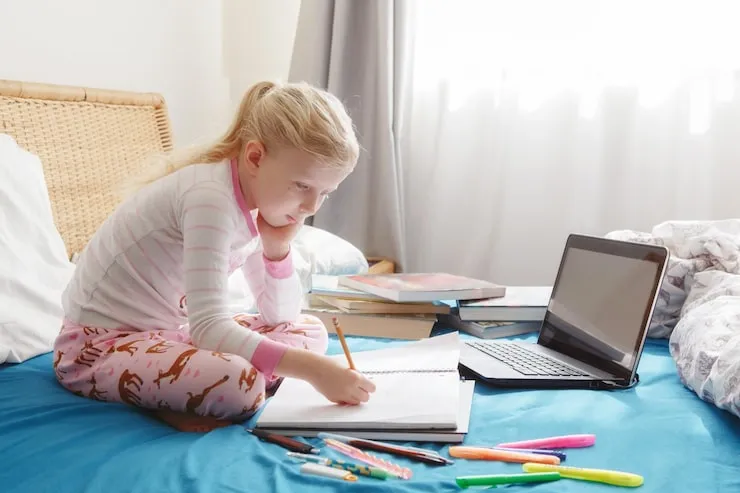
- Good study habits promote the long term focus:
- Have objectives of each study session.
- Visual organizers such as sticky notes or charts should be used.
- Turn the subjects to avoid mental exhaustion.
Promote self-reflection: You should ask your child which strategies worked to make the child concentrate today.
Common Mistakes Parents Should Avoid
- Burdening them with work without relaxation.
- Comparing the concentration with other children.
- It is based on using screen-based learning tools.
- Disregarding sleep, nutrition or exercise requirements.
Frequently Asked Questions
Q1: What should be the duration of focus of my child according to his age?
One of the general guidelines is 2-3 minutes per year in a single, well-structured task. Therefore, a 5-year-old may handle 10-15 minutes of concentrated attention after which it will need a break. It is only a guideline and day-to-day changes are normal with regard to interest, energy, and mood.
Q2: Are there foods that are able to help enhance concentration?
Yes. Foods containing high amounts of omega-3s (salmon, walnuts), antioxidants (berries), high amounts of carbohydrates (oats) and high amounts of protein (eggs, yogurt) are beneficial to the brain. Most of all, make sure you get frequent meals and hydration to prevent energy lapses that ruin concentration.
Q3: What do I do when I get distracted by my sibling(s)?
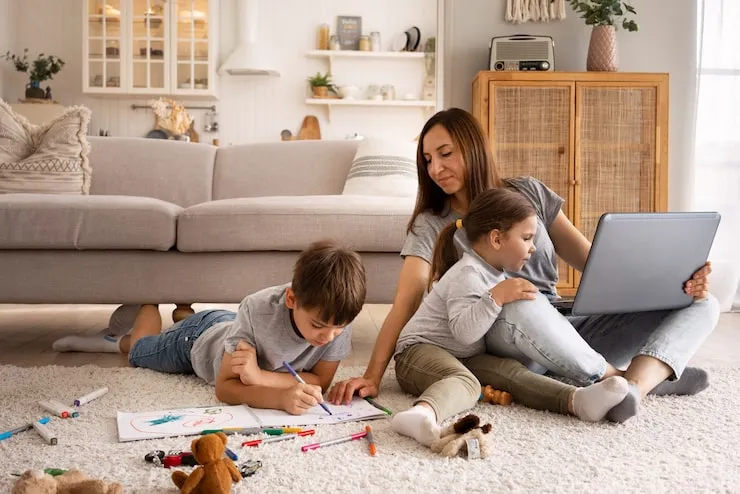
This needs management of the environment. Set a rule of quiet time whereby the siblings play independently in their own areas of focus during some crucial periods. Visuals should be used such as a Do Not Disturb sign on the Focus Zone door.
Q4: Is it advisable to use rewards to be focused?
Use them strategically. Short-term incentives (e.g. sticker, 5 minutes of favorite play) after a focus sprint can be useful to develop the habit. With time, transfer the reward to intrinsic satisfaction of doing the task. Do not use material and huge rewards that are not sustainable.
Q5: Does screen time necessarily make one less focused?
Not all screen time is equal. The active and rapid consumption of videos may reduce the duration of attention. Nevertheless, it can be educational games or creative applications or even video calls with relatives. The trick here is extremes, quality content and making sure that the screen time does not substitute actual physical play, sleep or even physical sociality.